


Flex - Rent On Your Schedule
4.726.46K Reviews
App Specs
- Version
- 3.59.0
- Updated On
- License
- Free
- Downloads
- 1,000,000+
- Developer
- Flexible Finance, Inc.
- Categories
- Finance
- Platform
- Android, iOS
Screenshots
 Analysis by AppCompare
I think a rent app is worth considering only if it solves a real timing problem, not because it promises to make rent cheaper. That distinction matters with Flex: splitting a large payment can make a tight month easier to organize, but it does not remove the rent obligation or make the household budget larger. I’d look at it as a cash-flow tool and judge it by whether its terms fit the way I get paid.
Start with the cost, not the convenience
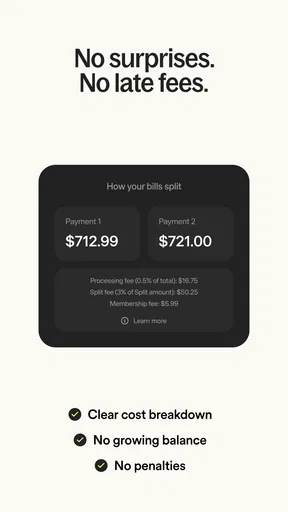
Flex is free to download, but that does not mean using its rent-payment service is free. The app’s published description gives no exact service charge, so I would check the current terms in the app before enrolling rather than assume a particular fee. The earlier claim that there is a “small fee” is not something I can verify, and “small” is subjective anyway: even a modest charge can matter when rent already takes a large share of your income.
I’d compare the total cost of using Flex with the practical cost of paying rent on the landlord’s normal schedule. If your paycheck arrives after rent is due, the relevant question is whether the flexibility is worth the service charge and any other conditions shown during enrollment. If you already have the money ready on the due date, paying your landlord directly may be the simpler, less costly choice.
What the flexibility can—and cannot—do
The useful idea behind Flex is timing. A renter may have enough income over the month to cover rent but not enough available on one particular day. In that situation, dividing the obligation into scheduled portions can make a budget easier to manage. It can also help someone plan around a pay cycle instead of treating rent as one sudden, oversized withdrawal.
That convenience should not be confused with extra income or debt relief. The rent still has to be paid, and installments create dates to keep track of. Before relying on a split-payment arrangement, I’d write those dates alongside payday, utilities, food, transport, and any other fixed bills. The plan is only helpful if the later payments remain realistic after those essentials are covered.
A practical way to decide
Imagine rent is due just before your next paycheck, while most of your monthly income arrives later. Flex may be worth investigating if spreading the timing would let you cover the household’s other immediate essentials without losing sight of the full rent commitment. I’d first check the exact payment schedule and total cost, then ask whether each installment fits the dates money actually reaches my account.
If the plan leaves too little for groceries or a utility bill later in the month, it has shifted the pressure rather than solved it. I’d also avoid signing up during a rushed moment just to get a payment moving. Take time to read the schedule, confirm the amount you must pay and when, and make sure everyone who shares the rent understands the arrangement.
Worth Reading Before You Choose

EA SPORTS FC Mobile 26 Is a Bigger Football Game, but It Takes Time

Flipboard Shows What News Apps Must Do Beyond the Feed

Switching to Android Auto Means Rethinking Your Driving Routine

Google Calendar Makes a Crowded Week Easier to Manage

Ludo King Makes the Most of the Minutes Between Plans

Baby Panda World Brings Quick Play to Modern Phones, but Its Game Library Feels Busy
How I’d compare it with other choices
For renters whose main challenge is remembering a due date, a calendar reminder or a recurring payment through their bank may be enough; those approaches avoid adding a separate rent-splitting service. If the challenge is that income arrives in uneven installments, Flex is more relevant because its purpose is to change the timing of rent payments. The better option depends on the problem, not on which app has the most appealing interface.
I’d also compare the arrangement with asking a landlord whether a different due date or payment schedule is possible. That conversation may not work for every renter, but if it does, a direct agreement could be simpler than adding another service. Flex is most compelling when changing the landlord’s schedule is not practical and the app’s own terms still fit the budget.
Who should take a closer look
I can see Flex being useful for someone with dependable income that arrives on a schedule that does not line up neatly with rent day, especially when the mismatch is temporary or predictable. It may also suit a renter who wants rent dates and payment progress gathered in one place. The app is in the finance category, is developed by Flexible Finance, Inc., and is free to install, which makes trying the interface different from committing to paid use.
It is less suitable if your income is uncertain, you are already behind on rent, or you cannot confidently cover the later installments. In those cases, splitting payments may add another obligation without addressing the underlying shortfall. I’d prioritize contacting the landlord or a qualified local housing-support service rather than treating an app as a substitute for help with an unaffordable rent bill.
What to check before relying on it
Before linking a bank account or setting up a payment plan, I’d review the in-app terms carefully, including the charge, the dates and amounts, and what happens if a payment cannot be made. I would not rely on a general impression of convenience as a replacement for those specifics. A useful personal check is to leave a small cushion in the account after each planned payment, so an ordinary bill or timing delay does not immediately derail the rest of the month.
It is also worth checking whether the schedule works for every person involved in paying rent. In a shared home, one person may use Flex while roommates pay their portions on different days; that can create confusion unless the household agrees on who pays the landlord and when each share is due. A quick written plan among roommates can prevent a payment tool from becoming a source of disagreement.
Ever found yourself in the middle of the month, staring at your calendar, wondering how you're going to make your rent payment? I’ve been there, and trust me, it’s not a fun place to be. Enter Flex - Rent On Your Schedule, a lifesaver in the world of monthly finances.
What is Flex?
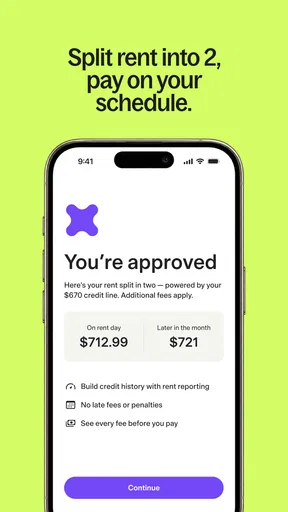
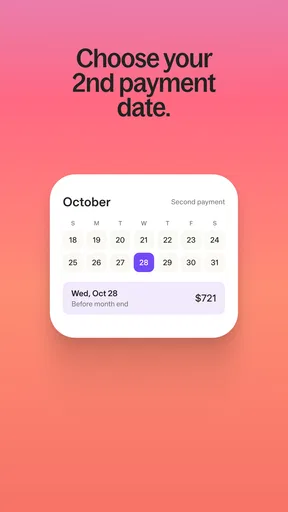
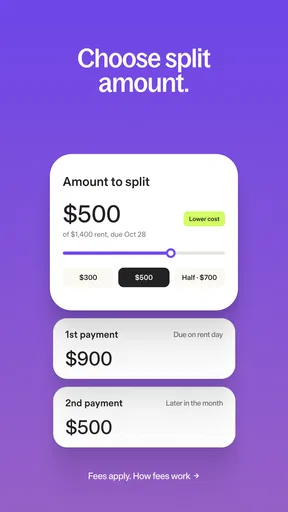
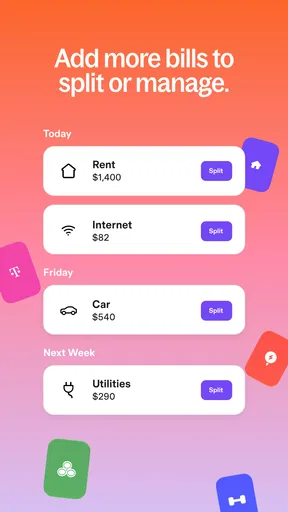
Okay, so here’s the scoop. Flex is this nifty app designed to help you manage your rent payments. Instead of scrambling to pay all at once, it lets you split your rent into smaller, more manageable payments throughout the month. Sounds pretty awesome, right?
Getting Started
Setting up Flex is a breeze. You download the app from the App Store or Google Play, sign up, and link your bank account. Security is tight, so you don’t have to worry about your precious data floating around in cyberspace. Once you’re in, you just enter your rent amount and due date, and Flex takes it from there.
How It Works
Here’s where things get interesting. Flex essentially pays your rent upfront to your landlord, and then you pay Flex back in installments. You can customize your payment plan, whether you prefer weekly payments or bi-monthly ones. It’s all about what fits your budget best.
Features Galore
One of the coolest features is the app’s ability to send you reminders. If you’re like me and tend to forget things the moment they’re out of sight, this feature is a godsend. Plus, the app provides detailed insights into your spending habits, helping you budget better for upcoming months.
The app also offers a payment history view, so you can easily track what you’ve paid and what’s coming up. This transparency is fantastic for keeping everything organized and stress-free.
Why Flex?
So why choose Flex? For me, it’s the peace of mind. Knowing that my rent is covered, and I can pay it off in chunks, takes a huge weight off my shoulders. Plus, the flexibility (pun intended) means that I can adjust things if my financial situation changes.
Another big win is the app’s user-friendly interface. It’s clean, intuitive, and doesn’t bombard you with unnecessary features. Everything you need is right there, easy to access and use.
Potential Snags
Now, no app is perfect, and while Flex is pretty darn close, there are a few things to keep in mind. There’s a small fee for using the service, which might not be ideal for everyone. However, in my opinion, the convenience it offers more than makes up for it.
Also, it requires a bit of initial setup and linking to your bank account, which can be a hurdle for some. But once it’s all set up, it runs like a charm.
Final Thoughts
All in all, Flex - Rent On Your Schedule is a game-changer for anyone who finds budgeting for rent a bit of a struggle. It gives you control over your finances, reduces stress, and offers a simple, effective solution to a common problem. If you haven’t tried it yet, I’d say give it a shot. Your bank account might just thank you!
Ready to take the plunge? You can download Flex from their official website or your app store of choice. Happy budgeting!
Checking the fit on your phone
The practical decision is not just whether the payment idea sounds useful; it is whether the app is available and runs comfortably on your device. Flex is rated for Everyone, has a minimum operating-system requirement of 7.0, and its current version is 3.49.0. It has been available since May 22, 2019, so it is not a brand-new release, though I’d still check the app store entry on my own device before making plans around it.
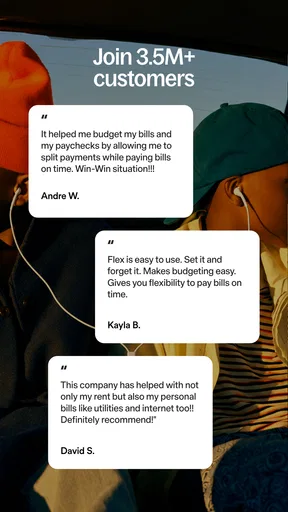
Its audience numbers suggest that plenty of renters have considered it: Flex has a 4.7 average from around 106,000 ratings, with over 1 million installs. I treat ratings as a useful signal that people are actively using an app, not as proof that its payment terms suit my circumstances. Reviews can reflect different rent arrangements and expectations, so I would focus on recent comments about setup, scheduling, and support rather than assume every experience will match mine.
Small habits that make a split schedule safer
If I were using Flex, I would treat the payment history as a reconciliation tool, not merely a record to glance at when something goes wrong. After each payment, I’d compare the amount shown in the app with my bank activity and keep the next due date visible in my own calendar. That gives me a second reminder and helps catch a misunderstanding early, especially when several household bills land close together.
I’d also avoid planning installments against money that is only expected, such as uncertain work hours or a reimbursement that has not arrived. Build the plan around income that is actually dependable. This is a subtle but important trade-off: breaking rent into portions can make the month feel more manageable, yet it can tempt someone to commit future cash before accounting for variable expenses.
For a renter paid twice a month, for example, the sensible workflow is to map both paydays against all rent installments first, then reserve money for essentials before deciding what remains available. If one installment falls before a paycheck, the split may not solve the timing issue at all. That calendar check is more useful than choosing a weekly or twice-monthly pattern based only on what sounds convenient.
When I would pass
I would skip Flex if I could pay rent on time directly without strain and the service charge made the convenience poor value. I’d also pass if I were uncomfortable connecting a bank account, if the payment schedule was hard to understand, or if I could not set aside the full amount needed across the month. An app cannot make a risky budget safe simply by dividing one large bill into several smaller ones.
People who need help with a lasting gap between income and rent should look beyond payment timing. A conversation with the landlord, a budget review, or local tenant assistance may be a better next move, depending on the situation. Flex is most defensible when the issue is the calendar—not when the underlying rent is consistently unaffordable.
My verdict on the value
For me, Flex is a focused option rather than a universal rent solution. Its strongest case is a renter who can cover the full obligation over the month but needs the payment timing to better match a reliable pay cycle. Its weakest case is someone who already has enough room in their budget to pay directly, or someone who cannot confidently meet later installments.
Because downloading the app is free while the cost of using its service needs to be checked in the current terms, I would explore the setup only after deciding what timing problem I’m trying to solve. If the schedule and total charge are clear and genuinely worthwhile, Flex may earn a place in my monthly routine. If not, a direct payment, bank reminder, or discussion with the landlord is the cleaner choice.
Pros
- Flexible payment options for rent.
- User-friendly interface design.
- Quick setup and easy navigation.
- Secure payment processing.
- 24/7 customer support availability.
Cons
- Limited to specific locations.
- Requires a subscription fee.
- May not support all payment methods.
- Occasional app glitches.
- Limited integration with other finance apps.
FAQs for Flex - Rent On Your Schedule
What is Flex - Rent On Your Schedule?
Flex - Rent On Your Schedule is an app designed to help renters manage their monthly rent payments more flexibly. It allows users to split their rent into smaller, more manageable payments throughout the month, reducing financial stress and improving cash flow management.
How does Flex protect my financial information?
Flex - Rent On Your Schedule prioritizes the security of your financial information. It uses advanced encryption and security protocols to safeguard your data. Additionally, the app complies with industry standards to ensure your financial information is protected against unauthorized access and potential breaches.
Can I use Flex with any landlord or rental company?
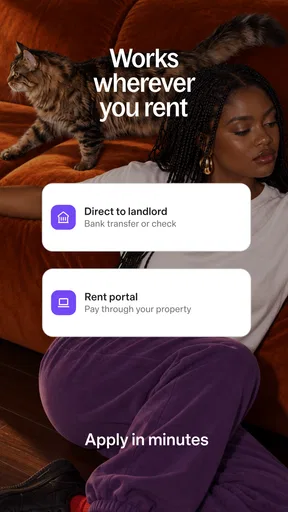
Flex aims to be as inclusive as possible, but it primarily works with landlords and rental companies that have partnered with the app. It's best to check if your landlord or property manager is part of the network. You can also invite them to join, making the service accessible to you.
Is there a fee for using Flex - Rent On Your Schedule?
Yes, Flex does charge a small service fee for its payment flexibility feature. This fee is used to cover the cost of managing your rent schedule. It's important to review the fee structure within the app to understand the cost implications before signing up.
What happens if I miss a scheduled payment?
If you miss a scheduled payment with Flex, the app will notify you and provide options to get back on track. Flex understands that financial situations can change, so it offers support and solutions to help you manage any missed payments without incurring penalties immediately.


